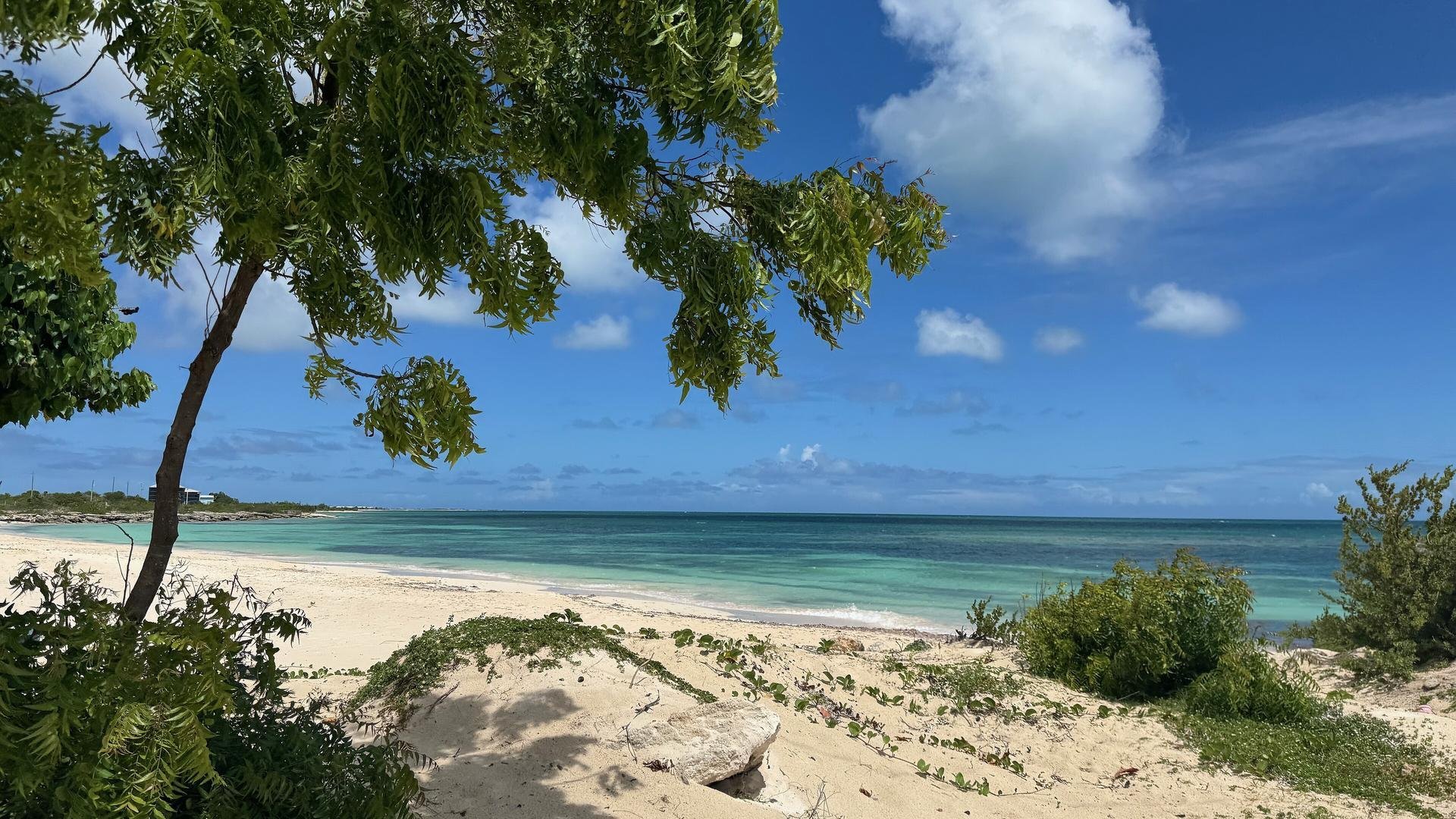
Barbuda is the quiet, flat, coral-fringed sister island of Antigua, about 62 square miles of lagoons, scrub and seemingly endless beach. There are no high-rises and very few hotels. What you get instead is space: long stretches of sand tinted pink by crushed shells, one of the Caribbean's great wildlife spectacles, and a small community centered on the village of Codrington.
Barbuda is still rebuilding after Hurricane Irma in September 2017, which forced the entire population to evacuate. Visiting through local guides, boat operators and guesthouses supports that recovery directly. Most travelers come on a day trip from Antigua, but staying overnight lets you see the island at its most peaceful.
62 sq mi
Island area
5,000+
Frigatebirds in the sanctuary
11 mi
Low Bay / Luis Beach strip
15 min
Flight from Antigua
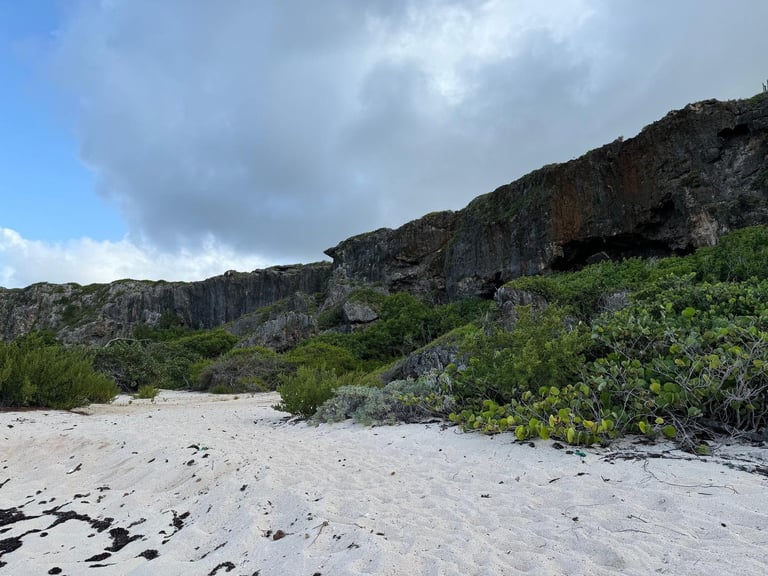
Barbuda's southwest and west coasts are known for pale pink sand, colored by crushed shells; the pink tones are typically most visible between October and May.
A narrow barrier strip of sand between the sea and Codrington Lagoon, now about 11 miles long. It was about 17 miles until Hurricane Luis broke through it in 1995.
Formerly Coco Point Beach, renamed in 2011 in honor of Diana, Princess of Wales. Expect soft sand and calm, clear water.
Dining on Barbuda is simple and seafood-led, centered on small, locally run spots in and around Codrington and lunches arranged by tour operators and guesthouses. Opening hours vary, so arrange lunch in advance, especially on a day trip.
Codrington Lagoon is home to the largest frigatebird colony in the Western Hemisphere, with more than 5,000 magnificent frigatebirds and over 170 bird species. It is reachable only by boat with a licensed local guide. Courtship displays peak in autumn and chicks hatch late in the year.
A sinkhole more than 100 meters across and roughly 70 feet deep, filled with lush vegetation, about 3.5 miles northeast of Codrington. Expect roughly a 45-minute hike each way; a local guide is essential.
Coastal caves with the only Amerindian petroglyphs found in Antigua and Barbuda.
Ruins of the former Codrington House in the highlands about three miles north of Codrington, with panoramic coastal views; it's also the trailhead area for Darby Cave.
A historic defensive tower at River Beach, about three miles south of Codrington.
Nearby islands: Antigua, St. Kitts & Nevis, St. Barths · Explore the Northern Caribbean
The drier winter and spring months (roughly December to May) are the most popular. Pink sand is most noticeable October to May, and frigatebird courtship is best in fall. Atlantic hurricane season runs June 1 to November 30.
Fly or sail from Antigua. Short flights from V.C. Bird International take about 15 minutes; the Barbuda Express ferry takes about 90 minutes each way, with departure times that vary by day of the week. Confirm current schedules before you book, and allow for rough seas on the crossing.
Eastern Caribbean dollar (pegged at EC$2.70 = US$1); U.S. dollars are widely accepted. English is spoken. Carry some cash for guides and small businesses.
There is little public transport. Most visitors book a guided tour or arrange a taxi in Codrington. Drive on the left.
Barbuda is part of Antigua and Barbuda. U.S. citizens can visit visa-free for up to six months with a valid passport. Arrival is through Antigua; the ArriveAntigua online form can be completed up to 72 hours before travel to speed up arrival.
The frigatebird sanctuary is the highlight and is only reachable with a licensed guide.
Leave the pink shells and sand on the beach.
Sunscreen, water and snacks can be hard to find outside Codrington.
Sailings can be canceled in rough weather.
Our Antigua guide has resort ideas for the rest of your stay.
Whether it's a day trip from Antigua or a few barefoot nights on the pink sand, our team can arrange flights, ferries and local guides.
Plan My Barbuda TripPhotos: "Barbuda in 2025 03" and "Barbuda Highlands from beach" by CROIX, CC BY 4.0 (creativecommons.org/licenses/by/4.0), via Wikimedia Commons; cropped/resized.