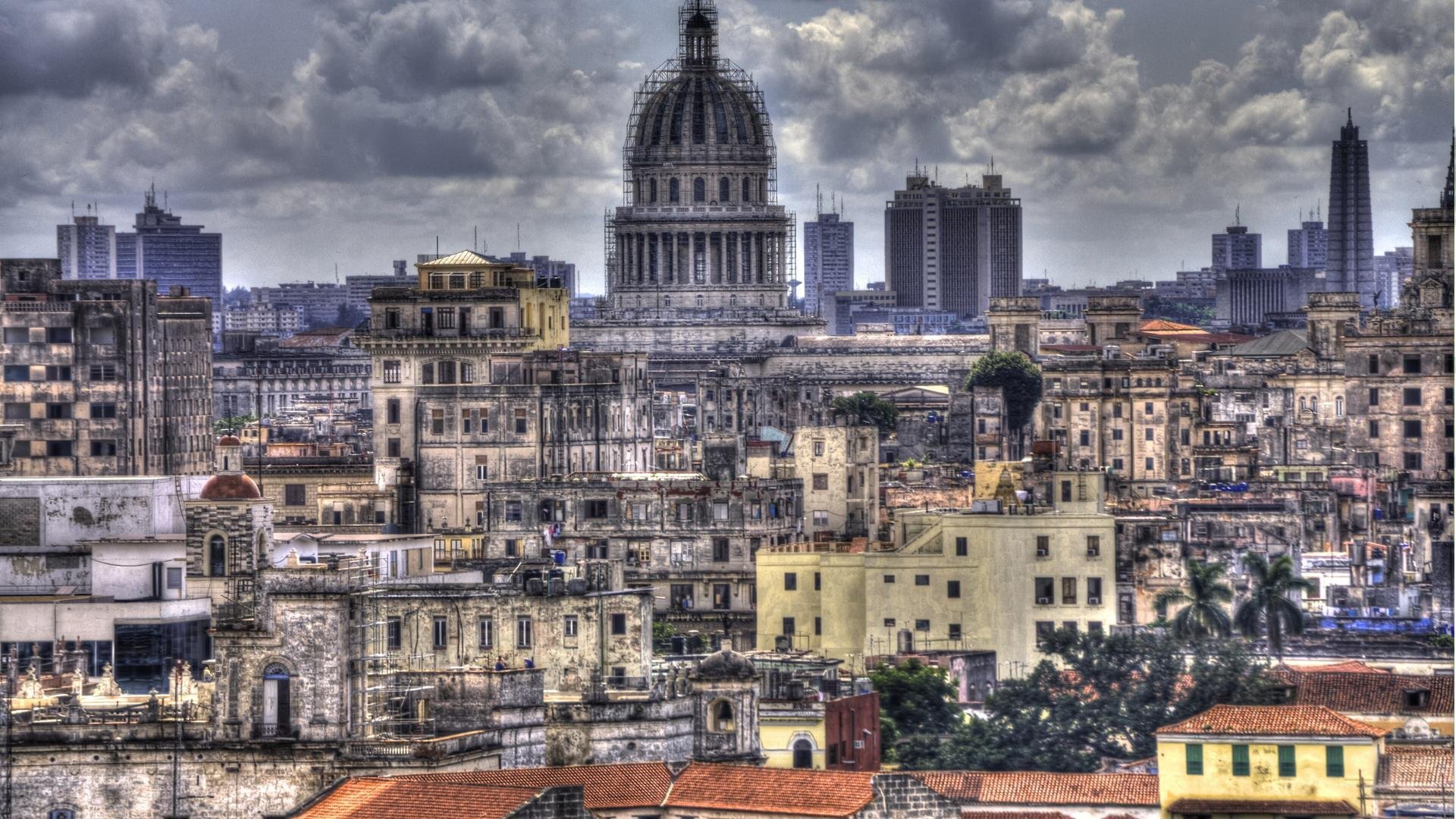
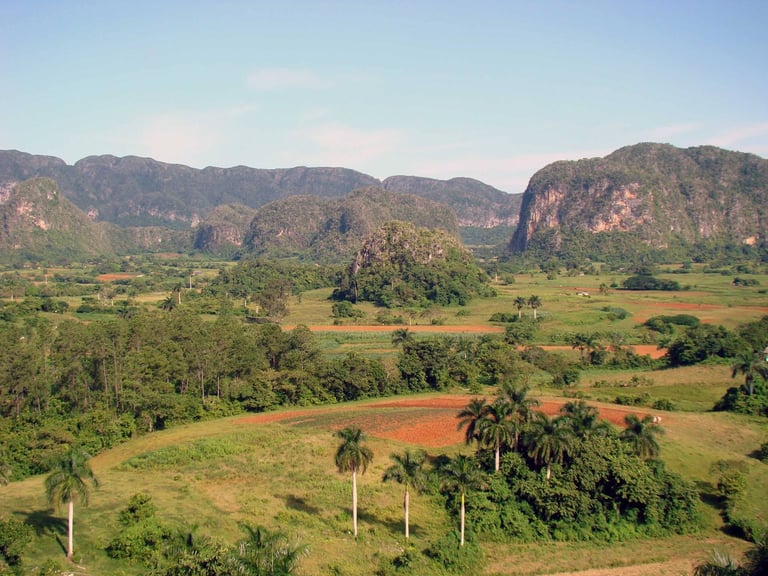
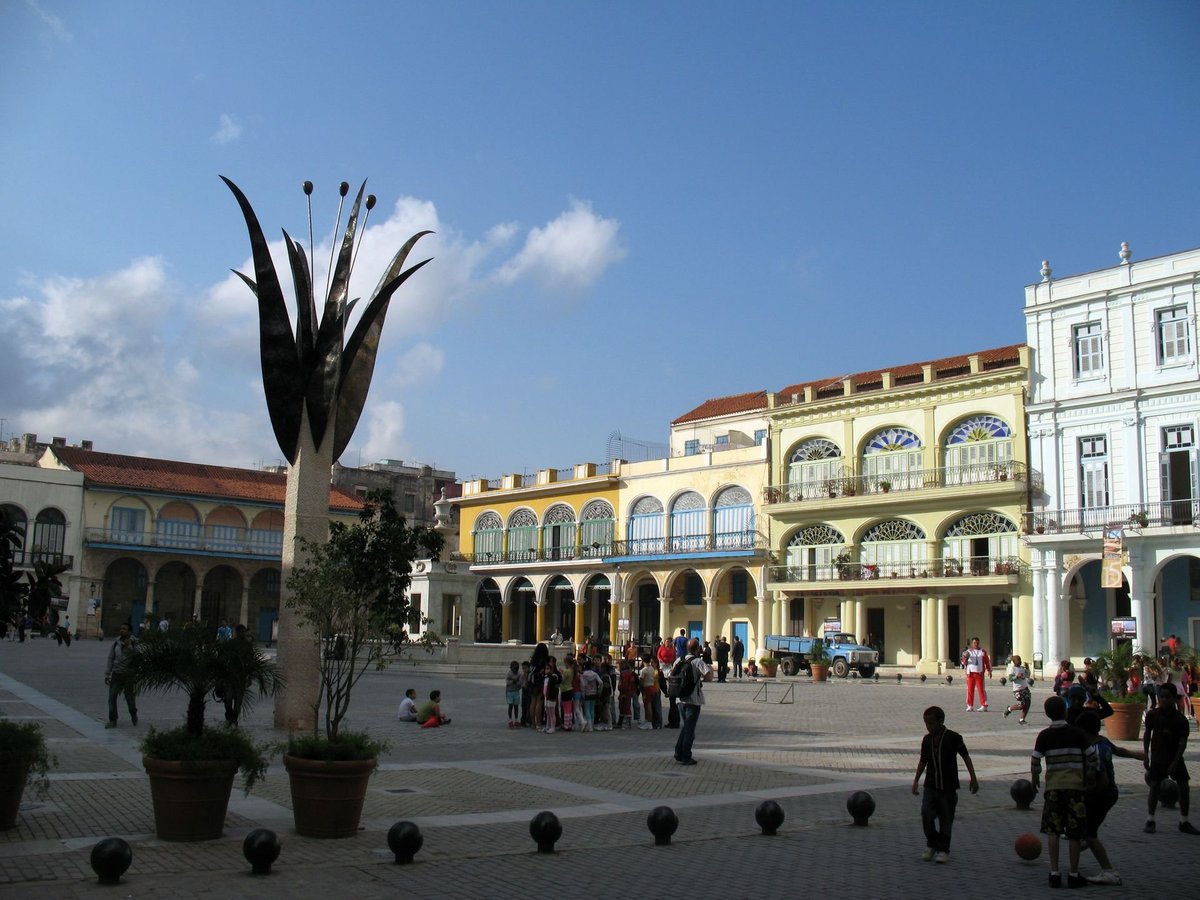
Cuba is the largest island in the Caribbean, home to the colonial plazas of Old Havana and the tobacco farms of the Viñales Valley.
For U.S. travelers, though, Cuba is unlike any other island on our site. Tourist travel to Cuba is prohibited by U.S. law. Americans can still go legally, but only under specific travel categories, with a full schedule and good records. This page explains the current rules in plain language. It is general information, not legal advice; check the official sources listed below before you book.
Travel must fit one of the 12 categories covered by OFAC general licenses (or you need a specific license): family visits; official government business; journalism; professional research; educational activities; religious activities; public performances, clinics, workshops and competitions; support for the Cuban people; humanitarian projects; activities of private foundations or institutes; exporting, importing or transmitting information; and certain authorized export transactions.
A new OFAC rule, effective September 30, 2026, tightened several travel authorizations:
This is the category most independent travelers use. Under 31 CFR 515.574 you must keep a full-time schedule of activities that strengthen civil society or the independence of the Cuban people, with meaningful interaction, and not just free time or recreation. Staying in a private home (casa particular), eating at private restaurants (paladares) and shopping at private businesses are part of this, but on their own they are not enough.
Keep your itinerary, receipts and records of your activities for five years.
Old Havana and its fortifications are a UNESCO World Heritage Site (1982): plazas, colonial churches and the waterfront Malecón.
A UNESCO-listed (1999) cultural landscape of tobacco farms and limestone hills in western Cuba.
Private paladares are the go-to choice; because of shortages, expect menus to change often.
Think art-studio visits with independent artists, private cooking classes, farm visits in Viñales, and music lessons or conversations with local entrepreneurs (cuentapropistas). Each must be part of a full daily schedule, and you're responsible for meeting the license conditions.
Nearby islands: The Bahamas, Cayman Islands, Jamaica · Explore the Northern Caribbean
The State Department rates Cuba Level 2: Exercise Increased Caution (issued May 7, 2025), citing crime and unreliable power. Expect long blackouts (in Havana, up to around 12 hours a day), plus shortages of food, medicine, fuel and water. Tap water isn't safe to drink, and dengue, Oropouche and chikungunya are present; pack insect repellent and any medications you need.
Dry season runs November to April. May to October is the rainy season, and hurricanes peak August to October.
Nonstop flights link Miami and Havana (HAV); confirm schedules close to travel. When booking, airlines ask you to select the travel category that matches your trip (or enter your specific license number).
U.S. credit and debit cards don't work in Cuba. Bring enough cash for your whole trip, in clean, newer bills. Declare amounts over $5,000.
Cuba takes more planning than any other island we cover. Contact our team to talk through your options.
Ask Us About Cuba TravelPhoto: “Old Havana - panoramio.jpg” by Eric Marshall, CC BY 3.0 (https://creativecommons.org/licenses/by/3.0), via Wikimedia Commons; cropped/resized. Photo: “2012-Plaza Vieja Havanna anagoria.JPG” by Anagoria, CC BY 3.0 (https://creativecommons.org/licenses/by/3.0), via Wikimedia Commons; resized.