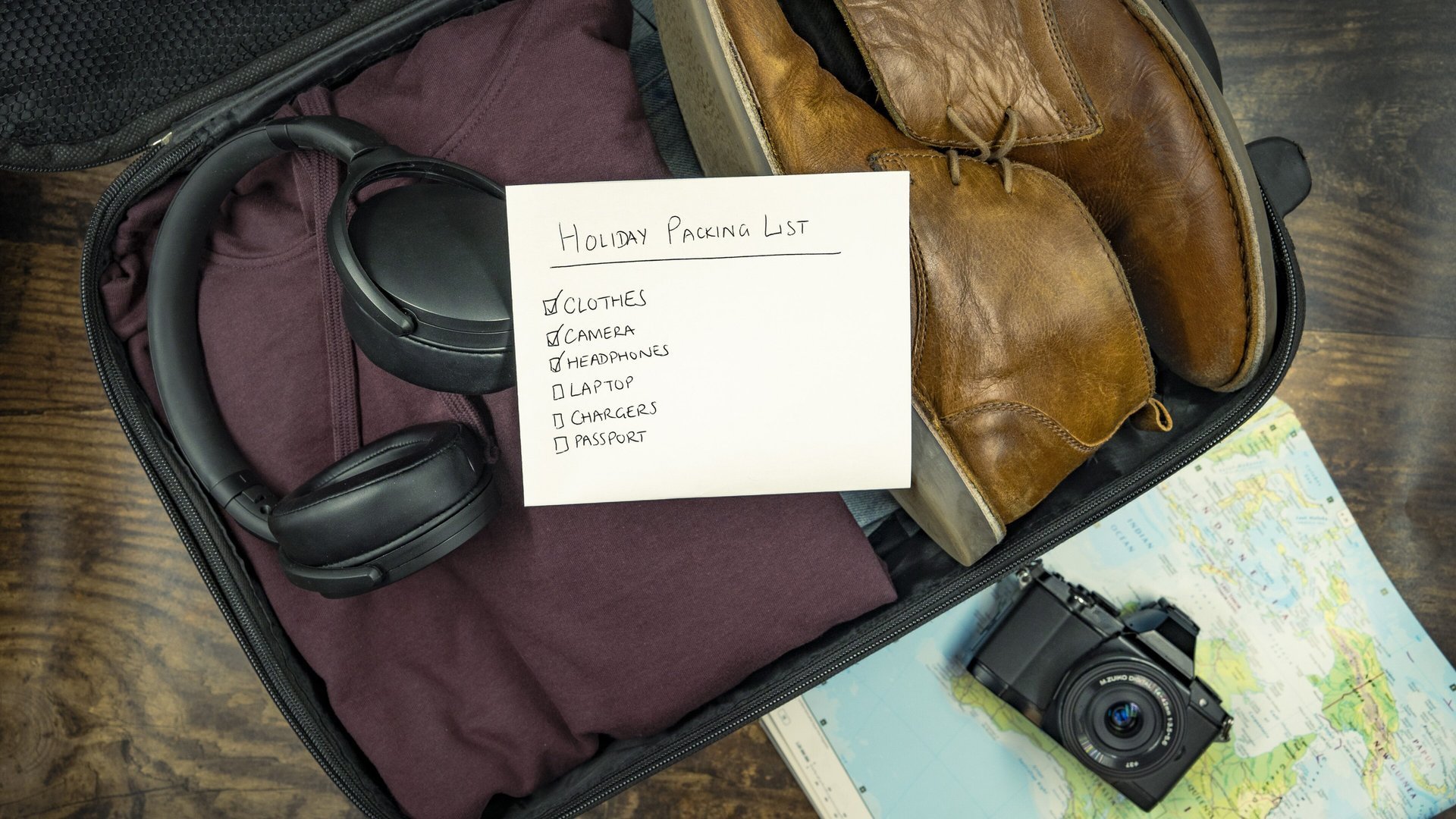
Packing for the Caribbean looks easy: swimsuit, sunglasses, done. But a few small things can make or break an island trip, from the right travel document to a sunscreen that is actually legal where you are going. This checklist covers the essentials, plus the island-specific rules that catch travelers out.
For international air travel, U.S. citizens need a U.S. passport book. The passport card works for TSA screening but is not valid for international air travel. Many Caribbean countries also require your passport to be valid for at least six months from arrival; Cuba, Trinidad and Tobago, and the Dominican Republic all list a six-month rule with the U.S. State Department. Check your expiration date now.
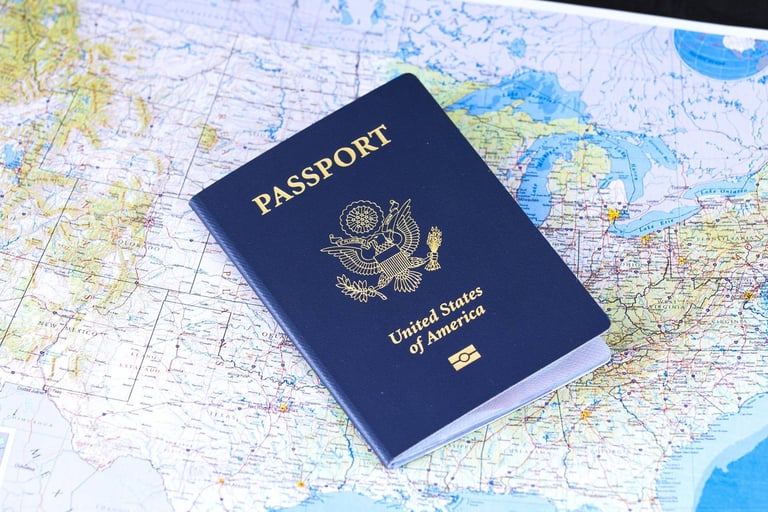
If you are heading to Puerto Rico or the US Virgin Islands, U.S. citizens do not need a passport. Do bring acceptable ID, because CBP inspects travelers before departure from St. Thomas to the U.S. mainland; a passport, or a raised-seal birth certificate plus government photo ID, works.
Many islands now use digital entry forms. Complete them before you fly and save the confirmation or QR code on your phone (and a screenshot, in case of weak Wi-Fi):
Keep a photo of your passport ID page and your travel insurance details separate from the originals. The State Department strongly recommends insurance with medical evacuation coverage for many Caribbean destinations, and most U.S. health plans, including Medicare, do not cover care abroad.
Several destinations restrict sunscreen chemicals that harm coral:
The simplest solution is a mineral sunscreen with zinc oxide and/or titanium dioxide. Check the active-ingredients panel, not just the "reef-friendly" label.
A wide-brimmed hat, polarized sunglasses and a long-sleeve rash guard or UPF shirt cut down on reapplying and protect you on long boat days.
Leave camouflage at home. Saint Lucia strictly bans camouflage clothing and accessories (including for children), and in Trinidad and Tobago wearing camouflage in public is prohibited for civilians and importing camouflage material requires approval.
Outlets vary across the region. Many islands use U.S.-style plugs, but Saint Lucia uses the UK-style Type G, and the French islands such as Martinique, Guadeloupe and French Saint-Martin use European Type C/E plugs at about 230V. A universal adapter covers you everywhere. Check that chargers are rated "100–240V" before plugging into higher-voltage outlets.
Do not pack a drone for Cuba. Drones and Starlink devices are illegal there and will be confiscated, according to the State Department.
TSA's 3-1-1 rule still applies: liquids, gels and aerosols in your carry-on must be in containers of 3.4 oz (100 ml) or less, all fitting in one clear quart-size bag. Pack full-size sunscreen in your checked bag, or buy it on arrival.
If your trip includes small planes or water taxis, such as island hopping in The Bahamas or the British Virgin Islands, a soft duffel is easier to handle than a large hard-shell suitcase.
Returning to the U.S. from the US Virgin Islands, you can bring up to $1,600 of duty-free merchandise per person, within CBP limits. Never take sand, shells or coral from protected areas, and remember that alcohol and tobacco acquired in Cuba cannot be brought into the United States.
Packing is the easy part when the rest of your trip is handled. Tell us where you're going, and we will send you island-specific tips along with your custom itinerary. Plan my Caribbean trip →
Photo: "Holiday Packing List - Packing Luggage for Vacation.jpg" by Familydestinationsguide.com Images, CC BY 2.0 (https://creativecommons.org/licenses/by/2.0), via Wikimedia Commons; cropped/resized.